
Running is one of the most rewarding and accessible forms of exercise – but it also places specific demands on your body, especially your feet and joints. One of the simplest ways to avoid injury and make the most of every mile is by choosing the right running shoe and knowing when to replace it. At KIKA SPORT, we’re committed to helping runners “Raise Africa” by providing activewear that supports every step of your journey. Here’s why your running shoes are crucial to staying healthy and how often you should consider changing them.
Why the Right Running Shoe Matters
Improved Performance and Comfort
Running in shoes that are suited to your needs allows you to focus on your performance rather than discomfort or pain. They provide the right grip and flexibility for different surfaces, whether you’re on a track, trail, or road, helping you feel stable and confident as you push yourself to new distances.
Optimal Support for Your Foot Shape and Gait
Every runner’s foot is unique, with variations in arch height, pronation (foot roll), and stride style. Running shoes are designed to accommodate these differences. The right pair supports your individual foot shape, reduces strain on your ankles and knees, and helps you maintain proper form. Shoes that don’t suit your foot type can increase the risk of shin splints, knee pain, and even back injuries over time.
Impact Absorption and Joint Protection
Each step while running generates a force multiple times your body weight, which is absorbed by your feet and legs. Quality running shoes come equipped with cushioning technology designed to absorb this impact and reduce the strain on your muscles and joints. Worn-out or poorly cushioned shoes can’t do this effectively, leading to higher injury risk and discomfort.
Shoes wear out faster on hard surfaces like asphalt than on softer surfaces like grass or trails.”
Alex, Physiotherapist
When to Replace Your Running Shoes
So, how often should you replace your running shoes to stay injury-free? On average, running shoes should be replaced every 300-500 miles (about 480-800 kilometers). However, this range can vary based on factors such as your running surface, body weight, and running style.
Signs of Wear and Tear: Look for visible signs like worn-out treads, thinning outsoles, and reduced cushioning. If you’re noticing new discomfort or soreness, it may be a sign that your shoes are no longer providing the support you need.
Running Surface: Shoes wear out faster on hard surfaces like asphalt than on softer surfaces like grass or trails.
Frequency and Intensity: If you’re running daily or pushing your limits in each session, you may need to replace your shoes closer to the 300-mile mark.
How to Track Your Shoe Mileage
An easy way to keep track is to set a reminder or use a fitness app that allows you to log shoe mileage. You can even label your shoes with a start date and roughly estimate your usage based on your weekly running distance.
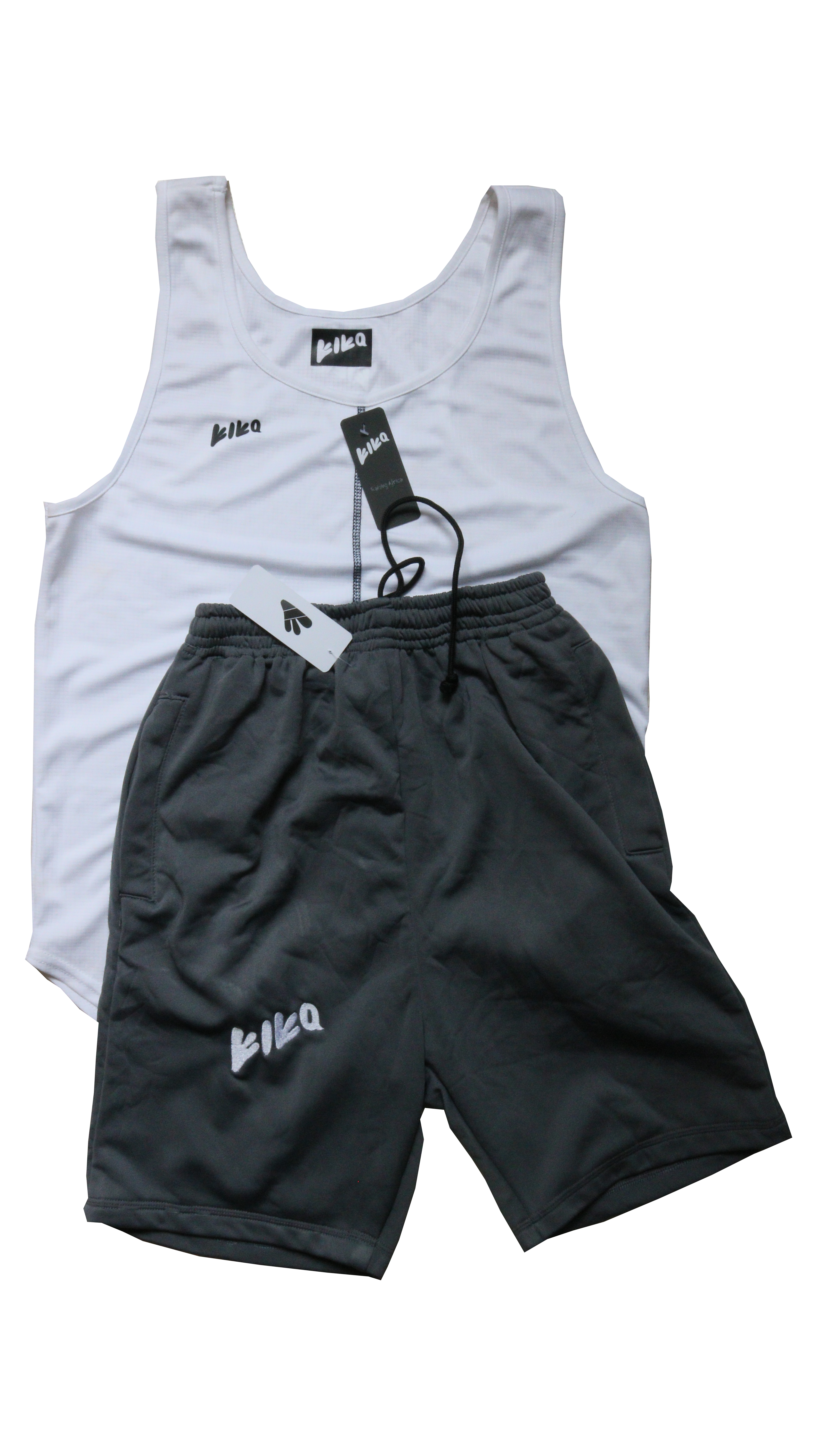
Your Running Journey with KIKA SPORT
At KIKA SPORT, we believe in empowering runners with quality gear to go the distance without compromise. If you’re unsure which shoe is right for you, our team is here to help you choose a pair that suits your unique needs. Whether you’re a casual jogger or training for your next marathon, the right shoe is the foundation of every successful run.
Run strong, stay safe, and let KIKA SPORT support you every step of the way!
